
REIMAGINING AFRICAN INITIATIVES: MANI 2026
[7 Minute Read]
Dear fellow participants in God’s mission,
Grace and peace to you in the name of the Lord Jesus Christ.
The Movement for African National Initiatives (MANI) gathered its continental family in Abidjan, Côte d’Ivoire, from 9–13 March 2026 for a historic consultation.

Click here for the 2026 MANI declaration
It was the first ever held in Francophone Africa. This milestone came exactly 25 years after MANI’s founding declaration in Jerusalem and at a moment when Africa has become home to the world’s largest Christian population. The consultation’s theme, “Present and Future Realities, Challenges, and Prospects of the African Church,” framed a week of worship, discernment, and strategic conversation about Africa’s growing role in global missions.
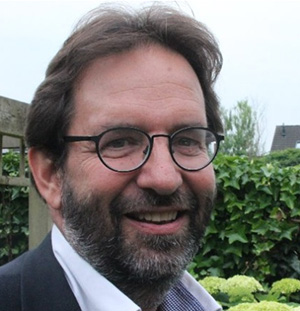
I had the privilege of attending on behalf of Faith2Share, bringing greetings also from the European Evangelical Alliance, the World Evangelical Alliance and the WEA Mission Commission. What unfolded in Abidjan was more than a conference—it was a continental recommissioning.
A Spiritually Grounded Gathering
Each morning began with vibrant African worship, a beautifully produced video on the Seven Churches of Revelation, and a devotion exploring themes such as the persecuted church, the compromising church, and the faithful church. These reflections set a deeply spiritual tone, reminding participants that God’s mission flows from the Church’s spiritual health and obedience.
Africa in Global Mission: A Complex Reality
Plenary sessions explored what God is doing globally, across Africa, in the African diaspora, and particularly in the Francophone and Sahel regions. The Sahel—home to some of the world’s most challenging missions frontiers—featured prominently. The long-standing MANI call to “Go North” was renewed with urgency.
Breakout sessions were among the most enriching elements of the consultation. Discussions on diaspora missions, unity and collaboration, and the contributions of local churches revealed a clear trend: missions in and from Africa is increasingly complex. Missionaries are being sent from Lagos, Nairobi, Addis Ababa, Yaoundé, Abidjan, and Johannesburg to every continent. Africa is no longer a mission field—it is a missions force.
At the same time, participants noted the danger of new silos emerging, such as Majority World vs. Minority World categories. The consultation affirmed that global missions requires mutuality, humility, and shared ownership, not new forms of separation.
Leadership Transition: A New Chapter for MANI
A significant moment came with the leadership transition from Dr. Reuben Ezemadu, who served faithfully for two decades, to Peter Oyugi of Kenya (a WEA Mission Commission Steering Commitee member). The Abidjan Declaration describes this transition as a theological statement: “the African Church has come of age” and is stepping confidently into its global missions mandate.
Ross Campbell, the doyen of MANI and his wife, both New Zealanders, were also honoured for their foundational work in establishing African national initiatives.
The Abidjan Declaration: A Mandate for the Decade Ahead
The consultation concluded with the affirmation of the Abidjan Declaration, which outlines six strategic priorities for the African Church:
- Renewed vision and leadership for MANI as a movement
- Missionary mobilisation and African-led sending structures
- Church unity, collaboration, and global partnerships
- Contextual preparation for persecution and instability
- Transformational discipleship and youth engagement
- Sustainable, contextual missions models and theological clarity
The Declaration calls every church in Africa to adopt an unreached people group, give generously, pray persistently, and send sacrificially. It reframes the African diaspora not as scattered but as sovereignly deployed for missions service in Europe, Asia, the Americas, and beyond.
Implications for Global Missions
For the global missions world, the Abidjan gathering offers several key takeaways:
- Strengthen engagement with Francophone Africa, especially in leadership development, translation, and Sahel-focused mission.
- Deepen international collaboration, recognising Africa as a full and equal partner in global missions.
- Support diaspora–continent partnerships, especially in Europe where African churches are revitalising local missions.
- Enhance shared research and data, aligning with MANI’s emphasis on accurate information for missions strategy.
- Encourage unity across evangelical structures, especially where gaps remain between continental and national alliances.
The absence of the Association of Evangelicals in Africa (AEA) and the local Evangelical Alliance was felt. Strengthening these connections would benefit both African and global missions ecosystems.
Conclusion: A Kairos Moment for Global Mission
The MANI Consultation 2026 affirmed that the African Church stands at a pivotal moment in its missions journey. With spiritual vitality, demographic strength, and a growing global footprint, Africa is poised to play a decisive role in the future of world evangelisation.
For the WEA Mission Commission, this is a moment to walk alongside MANI with humility, partnership, and shared vision. The call from Abidjan is clear and compelling:
“From Abidjan to Everywhere—Until Jesus Comes.”